SoftWave
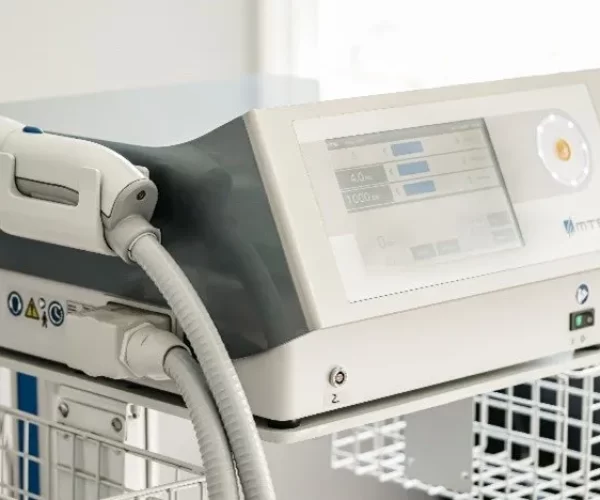
Next-generation
shockwave therapy
in the world
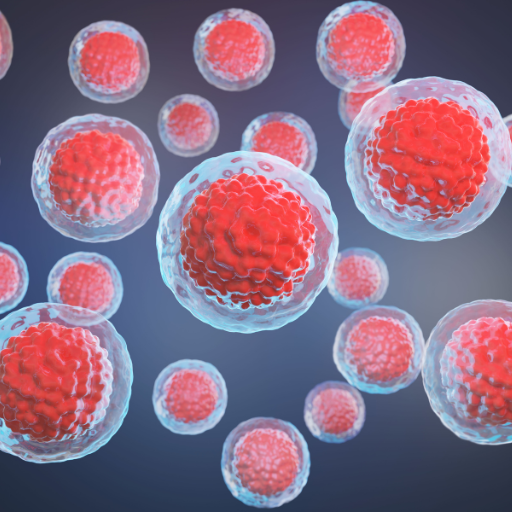
Effect of shock waves on macrophages: tissue regeneration & remodeling
Introduction
Extracorporeal Shock Wave Therapy (ESWT) is broadly used as a non-surgical therapy in various diseases for its pro-angiogenic and anti-inflammatory effects. As macrophages take part in both the onset and amplification of the inflammatory response, we investigated the effect of SW on their biology.
Methods
Human monocyte-derived macrophages were polarized to classic (M1) pro-inflammatory or alternative (M2) anti-inflammatory macrophages, then exposed to SW at different intensities. Marker gene expression was measured by qPCR at multiple time points.
© 2015 IJS Publishing Group Limited. Published by Elsevier Ltd.
Shock wave therapy for acute & chronic soft tissue wounds: a feasibility study
Background
Nonhealing wounds are a major, functionally-limiting medical problem. Various studies report complete wound epithelialization of 48–56% over 30–65 days with different treatment modalities. Extracorporeal shock wave therapy (ESWT) may accelerate and improve wound repair.
208 patients with complicated, nonhealing, acute and chronic soft-tissue wounds were prospectively enrolled between August 2004 and June 2006.
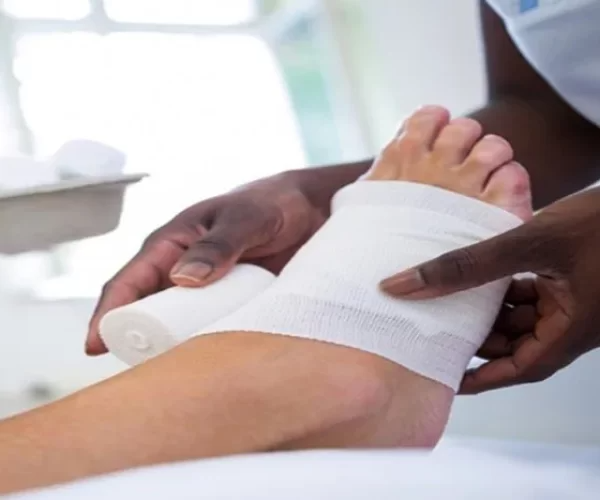
SoftWave Video Overview
Watch a quick walkthrough of how SoftWave works and what to expect during treatment.
Extracorporeal Shock Wave Therapy: An Emerging Treatment Modality for Retracting Scars of the Hands
Prolonged and abnormal scarring after trauma, burns, and surgical procedures often results in a pathologic scar. We evaluated the efficacy of unfocused shock wave treatment, alone or in combination with manual therapy, on retracting scars on the hands. Scar appearance was assessed by the modified Vancouver Scar Scale; functional hand mobility by a range-of-motion scale; and a visual analogue score was used for improvements in referred pain. For each active treatment group, statistically significant improvements were recorded as early as five treatment sessions and confirmed 2 weeks after the last session. Histopathological examination revealed significant increases in dermal fibroblasts, neoangiogenetic response, and type-I collagen concentration.
Vancouver Scar Scale
Significant improvement after just 5 sessions
Range of Motion
Functional mobility restored and confirmed at follow-up
Pain Reduction
Visual analogue scores show meaningful pain relief
Collagen Type I
Significant increase confirmed by histopathology
Copyright © 2016 World Federation for Ultrasound in Medicine & Biology. Published by Elsevier Inc.